



 English
  中文简体
中文简体 
HOME / NEWS / Industry News / Medical Swabs Comparison: Foam, Cotton, and Flocked Tips Guide
Flocked nylon swabs outperform foam and cotton alternatives for specimen collection due to superior cell capture efficiency and rapid elution rates. Medical cotton swabs remain the most economical choice for basic wound cleaning and topical application, while foam swabs excel in oral care and dry mouth management. Hospital-grade medical swabs with high absorption capacity use specialized fiber structures to collect up to three times more fluid than standard cotton varieties. For diagnostic accuracy in PCR testing and microbiology, flocked tips demonstrate collection efficiencies exceeding 90 percent compared to 40 to 60 percent for traditional cotton wound swabs.
Content
Specimen Collection Swab Technology
Specimen collection swabs serve as the primary interface between patient and laboratory, directly influencing diagnostic sensitivity. The swab tip material determines how effectively biological material adheres to fibers and releases into transport media. Flocked nylon swabs feature perpendicular microfibers that create a brush-like surface, increasing surface contact area by approximately 35 percent compared to woven cotton structures. This geometry captures more epithelial cells and microorganisms during sampling.
Elution Efficiency in Laboratory Processing
After collection, specimen recovery depends on how completely the swab releases captured material into liquid media. Flocked swabs release over 90 percent of collected sample within seconds of vortex agitation. Cotton swabs retain approximately 30 to 40 percent of absorbed specimen due to cellulose fiber entrapment. Foam swabs offer intermediate elution rates around 70 percent, making them suitable for rapid antigen testing where complete recovery is less critical than patient comfort.
Types of Swabs by Application
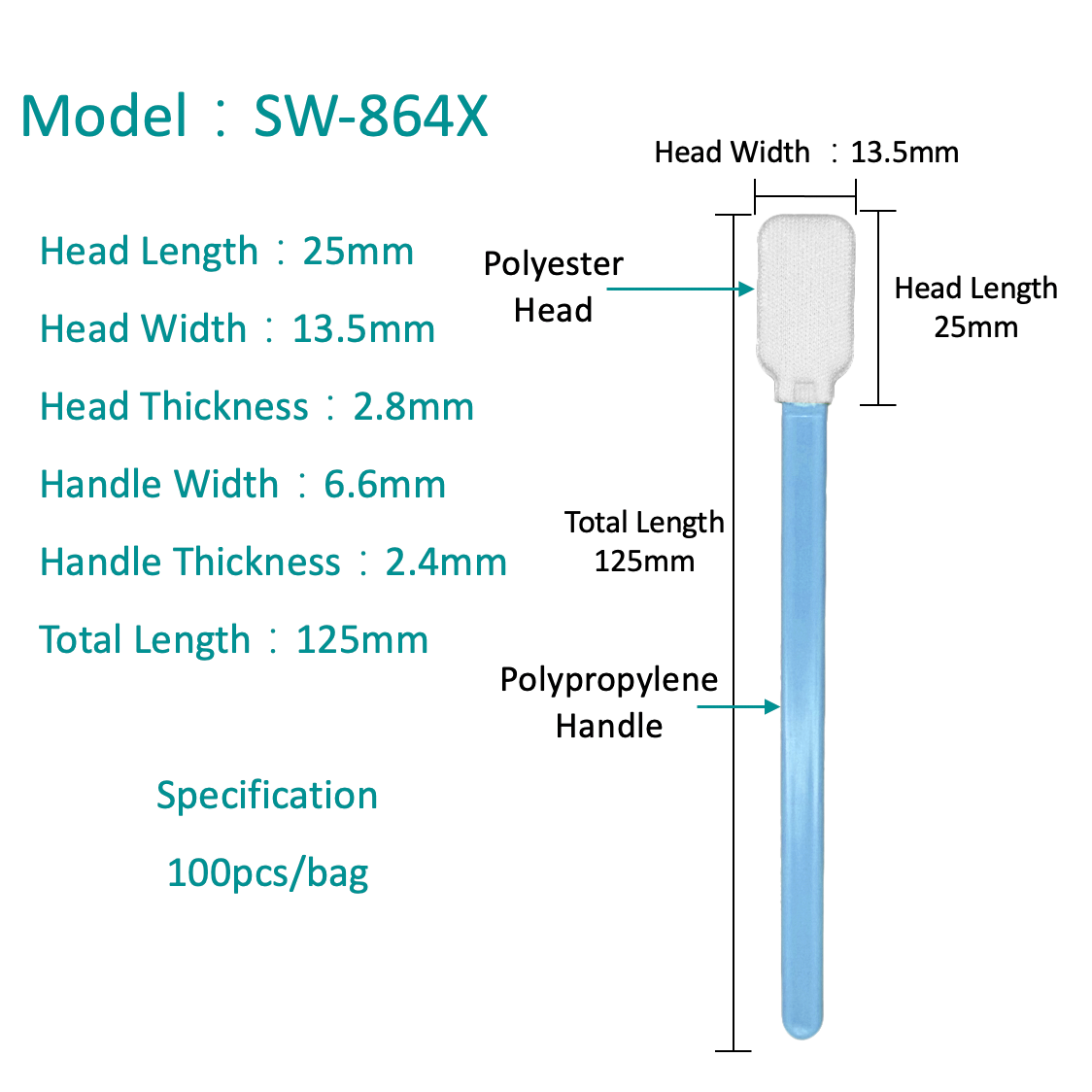
Medical facilities stock multiple types of swabs tailored to distinct clinical procedures. Nasopharyngeal sampling requires slender shafts with flexible breakpoints for safe insertion. Throat swabs utilize larger tips to maximize surface coverage of the posterior pharynx and tonsillar regions. Wound swabs feature sterile packaging and rigid shafts for precise sampling of lesion exudate. Each type incorporates specific shaft lengths, tip diameters, and material compositions optimized for the anatomical site and intended analysis.
| Swab Type | Primary Use | Tip Material | Absorption Capacity |
|---|---|---|---|
| Nasopharyngeal | Viral PCR detection | Flocked nylon | Low to moderate |
| Throat | Bacterial culture | Cotton or flocked | Moderate |
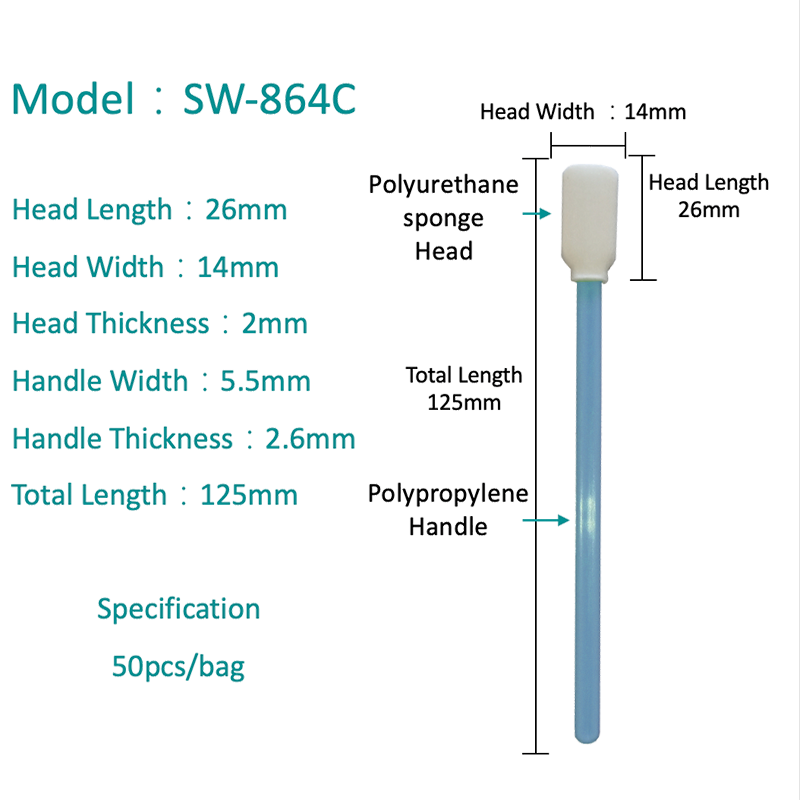
| Oral care | Moisturizing and cleaning | Foam | High |
| Wound | Exudate collection | Cotton | Very high |
Swabs for Mouth and Oral Care
Swabs for mouth care address hygiene, moisture retention, and medication delivery in patients with limited self-care capacity. Foam-tipped oral swabs distribute mouth rinse solutions evenly across mucosal surfaces without shedding fibers that could be aspirated. These swabs absorb up to 1.2 milliliters of liquid per application, enabling sustained moisture release during single-pass cleaning. The soft cellular structure minimizes trauma to sensitive gingival tissue in palliative care and postoperative settings.
Design Features for Patient Safety
Oral swabs incorporate safety features including color-coded handles to distinguish plain, flavored, and medicated varieties. Break-resistant shafts prevent accidental fragmentation during use. Some designs include dentifrice-impregnated foam tips that release cleaning agents through mechanical compression against teeth and tongue surfaces. These disposable tools reduce cross-contamination risk compared to reusable sponges in hospital environments.
Oral Swabs for Dry Mouth Management
Oral swabs for dry mouth provide targeted relief for xerostomia caused by medication side effects, radiation therapy, or autoimmune conditions. Saliva substitute swabs contain carboxymethyl cellulose and glycerin formulations that mimic natural saliva viscosity and lubrication. Clinical studies indicate that patients using moisturizing oral swabs every two hours report 40 percent improvement in oral comfort scores compared to water rinse alone. The swab format allows precise application to hard-to-reach areas including the posterior tongue and buccal mucosa.
Foam tips retain moisturizing agents longer than cotton alternatives, releasing active compounds gradually over 15 to 20 minutes. This sustained release pattern outperforms cotton swabs, which rapidly wick saliva substitutes away from the application site. Patients undergoing chemotherapy particularly benefit from this extended hydration effect, as mucosal integrity preservation reduces infection risk during neutropenic periods.
Medical Cotton Swabs Composition and Uses
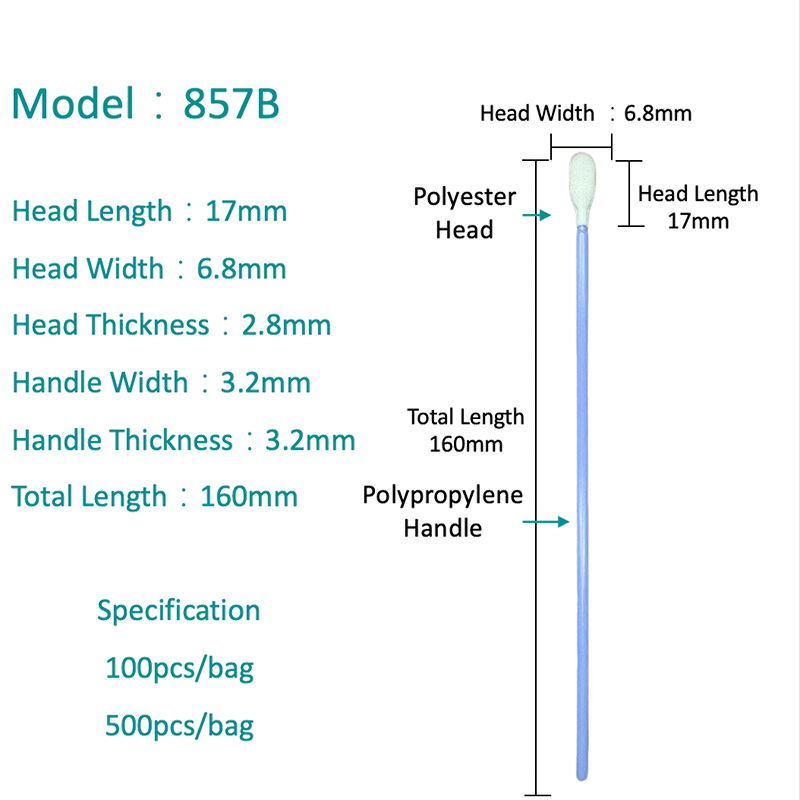
Medical cotton swabs consist of pharmaceutical-grade absorbent cotton wrapped around paper, wood, or plastic shafts. The cotton fibers are bleached and sterilized to eliminate endotoxins and microbial contamination. What cotton swabs are made for extends beyond cosmetic cleaning to include wound dressing application, medication transfer, and specimen collection in resource-limited settings. The natural cellulose structure absorbs up to 24 times its dry weight in aqueous fluid, making cotton the material of choice for high-volume exudate management.
Limitations in Molecular Diagnostics
Despite high absorbency, cotton swabs present significant drawbacks for nucleic acid testing. Cotton fibers contain PCR inhibitors including tannins and fatty acids that can degrade sample quality. The woven structure traps microorganisms within fiber intersections, reducing viable organism recovery by up to 60 percent compared to flocked alternatives. For this reason, regulatory bodies including the FDA recommend against cotton swabs for COVID-19 and influenza molecular diagnostic collection.
Hospital-Grade Medical Swabs with High Absorption
Hospital-grade medical swabs meet stringent sterility and performance standards for inpatient care environments. High absorption variants utilize compressed cotton cores or multilayer foam structures to manage substantial wound drainage or oral secretions. These swabs undergo gamma irradiation sterilization at doses of 25 to 50 kilograys to achieve a sterility assurance level of 10 to the negative sixth power. Packaging includes peel-apart pouches with chevron seals to maintain barrier integrity until point of use.
Absorption capacity testing follows ASTM D1117 protocols, measuring the mass of saline solution retained per gram of swab material. Premium hospital-grade cotton swabs achieve absorption ratios of 20 to 25 grams per gram, while advanced hydroentangled nonwoven swabs reach 30 grams per gram. These metrics guide procurement decisions in surgical suites and intensive care units where fluid management directly impacts infection control outcomes.
Medical Swabs Comparison: Foam vs Cotton vs Flocked Tips
The medical swabs comparison across foam, cotton, and flocked tip technologies reveals distinct performance profiles suited to specific clinical objectives. Foam swabs deliver the highest absorption capacity and patient comfort for oral and wound applications but lack the diagnostic precision required for molecular testing. Cotton swabs offer universal availability and cost efficiency for general medical use while introducing PCR inhibition risks. Flocked swabs optimize specimen collection and release for laboratory diagnostics despite higher per-unit costs.
Selection Criteria for Clinical Procurement
- Foam tips absorb up to three times more fluid than cotton for oral care and wound management
- Flocked nylon swabs release over 90 percent of collected specimen for PCR and culture analysis
- Cotton swabs cost 50 to 70 percent less per unit than flocked alternatives for high-volume general use
- Foam swabs produce zero lint residue compared to cotton fiber shedding in surgical fields
- Flocked swabs require transport media compatibility testing to prevent nylon fiber interference with assay chemistry
Procurement teams should align swab selection with end-use requirements rather than defaulting to lowest-cost options. Diagnostic laboratories benefit from standardizing on flocked specimen collection swabs to reduce false-negative rates and repeat testing costs. Long-term care facilities managing dry mouth and oral hygiene achieve better patient outcomes with high-absorption foam swabs. Emergency departments and general wards maintain cost-effective operations using medical cotton swabs for non-diagnostic applications where absorbency and availability outweigh molecular purity requirements.

 ADDRESS
 CONTACT
 FAX
FAX EMAIL
EMAIL
